
In this first workshop with Leep1, we discussed a range of ideas about what hate crime means. We spoke about the meaning of ‘hate,’ shared examples of hate and hate crime, and reflected on what feelings were associated with experiencing this. In this post, I am sharing some of my early thoughts on this workshop and the ideas shared. All images used below have been produced by ‘easy on the i’ as part of their work supporting the production of easy read documents.
Huge thank you to (all anonymized) Arjun, Samir, Caitlin, Terry, Billy, Sabrina and Michael for your fantastic contributions and support for this project!
What is a hate crime?
Members suggested that it is difficult to define what a hate crime is, and to recognize examples and experiences of this. When asked to describe it, Billy, Samir, Arjun, and Sabrina explained that hate crime meant ‘bullying’ and Sabrina and Samir said that an example of this was ‘picking on people’. They also recognized that hate crime could happen for a lot of reasons, and be motivated by different identities, such as religion, disability, and race.

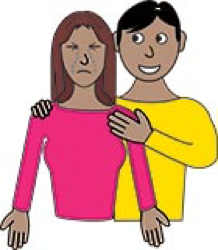
Many members discussed their understandings of ‘mate crime’ and how this was slightly different to hate crime. It seemed to be very important for the members that people with learning disabilities were aware of what mate crime is. Caitlin, Terry, Billy, and Sabrina explained that mate crime was about ‘fake friends’.
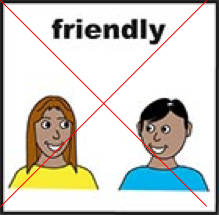
Sabrina explained that people who committed mate crimes did it for their own ‘personal gain’ and that people with learning disabilities are targeted because they are ‘not being recognized in society,’
How does hate crime make you feel?
Although it was difficult to define exactly what a hate crime is, members found it much easier to talk about how it made them feel. Michael said it made him feel ‘angry’ and ‘heartbroken’ and Billy spoke about it sending him into a ‘mad temper.’ This feeling of anger was something that members agreed with.
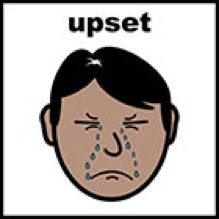
Michael explained that hate crime made him feel ‘stressed’ and ‘frightened’ and Arjun said that it ‘upset’ him.
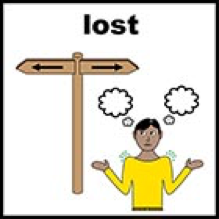
Sabrina and Caitlin also spoke about experiences of sexual abuse, which they understood to be related to hate crime. These experiences had made them feel ‘shaky,’ ‘frozed,’ ‘lost,’ and ‘dirty’ (Sabrina). Caitlin also described a process of ‘grieving’ following her experience, suggesting the long-term impacts that hate crime and sexual abuse can have.
Members explained how important it was to talk to others about their experiences of hate crime. Billy explained that it could upset you more if you don’t share, and Sabrina described how it could make you poorly ‘if you hold it in.’ Members, in particular, spoke about the importance of being part of Leep1. Michael described it as a safe space, and Billy said that it was a space where ‘your friends can help you out.’
Managing and Resisting Hate Crimes
Members discussed some of the different ways they could deal with hate crime if it happened to them in the future. Although Michael explained that sometimes it was easier to just ignore incidents and move on, he also said that you should still talk about it with others. In particular, he spoke about being able to tell the bus driver if you were being bullied on the bus, or talking to staff at Leep1. Sabrina also said that you could talk to teachers if the incident happened at a school, and Billy said that you should speak to the police.
Members also explained about an initiative called ‘safe spaces.’ These are places in the city centre of Leeds and other cities where you can go if you feel ‘vulnerable’ or are being bullied (Sabrina). While these were good, Billy spoke about the lack of these ‘safe spaces’ at a night time, which could result in many people avoiding being out during these times.
Members’ resistance to hate crime was evident in their involvement with campaigning and work within schools. Many of the members were part of a drama group, and would hold performances about hate crime and mate crime at schools. This was important for Sabrina, as the use of body language meant that ‘it comes out very strong and stands out.’ There are clear educational gains from these types of initiatives.


 Experiences of Everyday Hate: A PhD Project